Do More Megapixels Mean Better Phone Photos?
50, 108, even 200 megapixels — makers compete on numbers, but photo quality comes down to something else entirely. Here's what actually matters.
A megapixel is one million dots (pixels) that make up a photo. A 50 MP camera captures 50 million of them. It seems logical that more dots mean a more detailed image — but in practice it's more complicated.
Sensor size matters more than megapixels
Photo quality depends first on how much light the camera sensor collects, not on the pixel count. The sensor is a light-sensitive chip behind the lens. The bigger it is, the more light gets in — meaning wider dynamic range, more accurate colours and less noise in the dark.
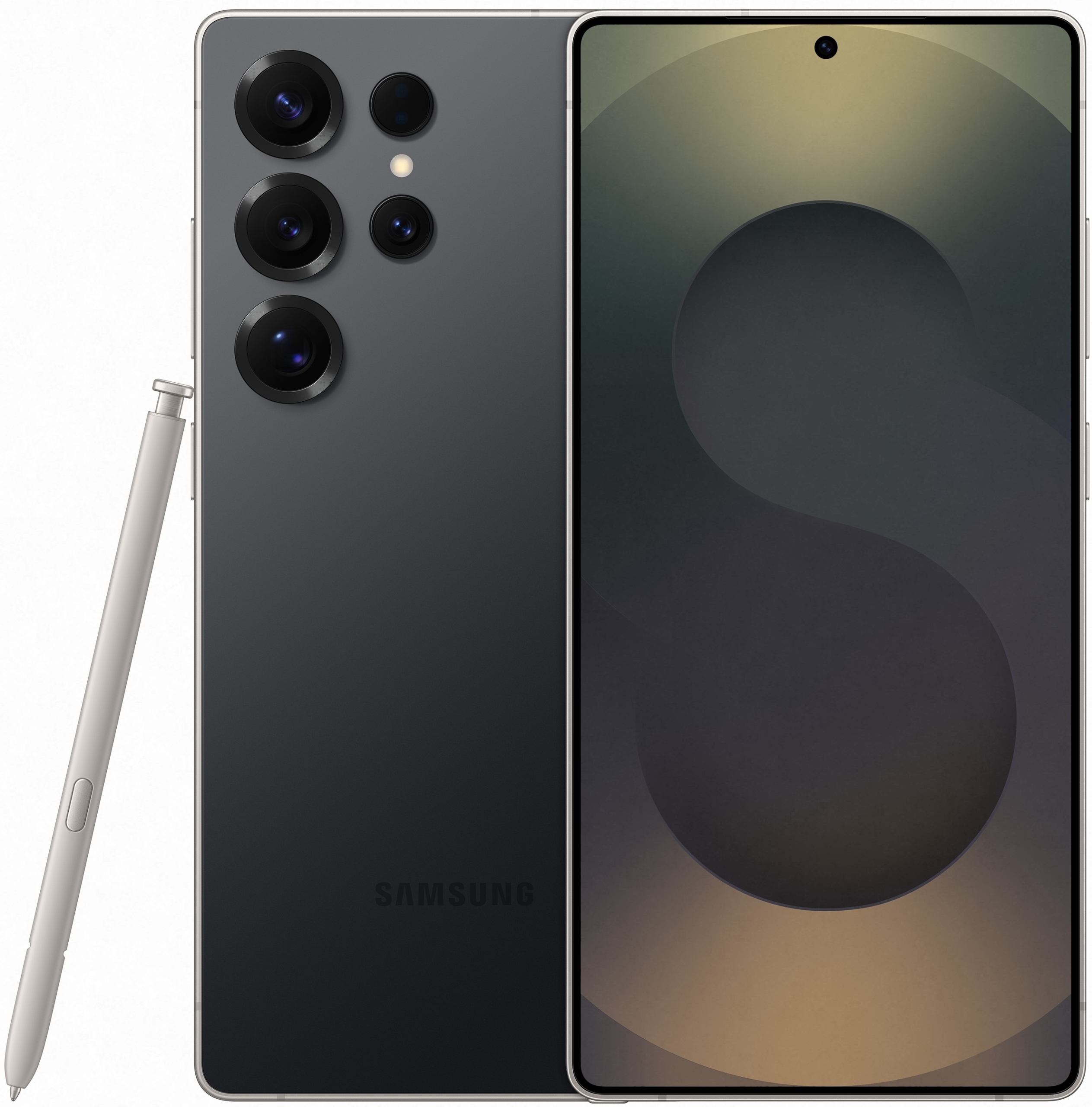
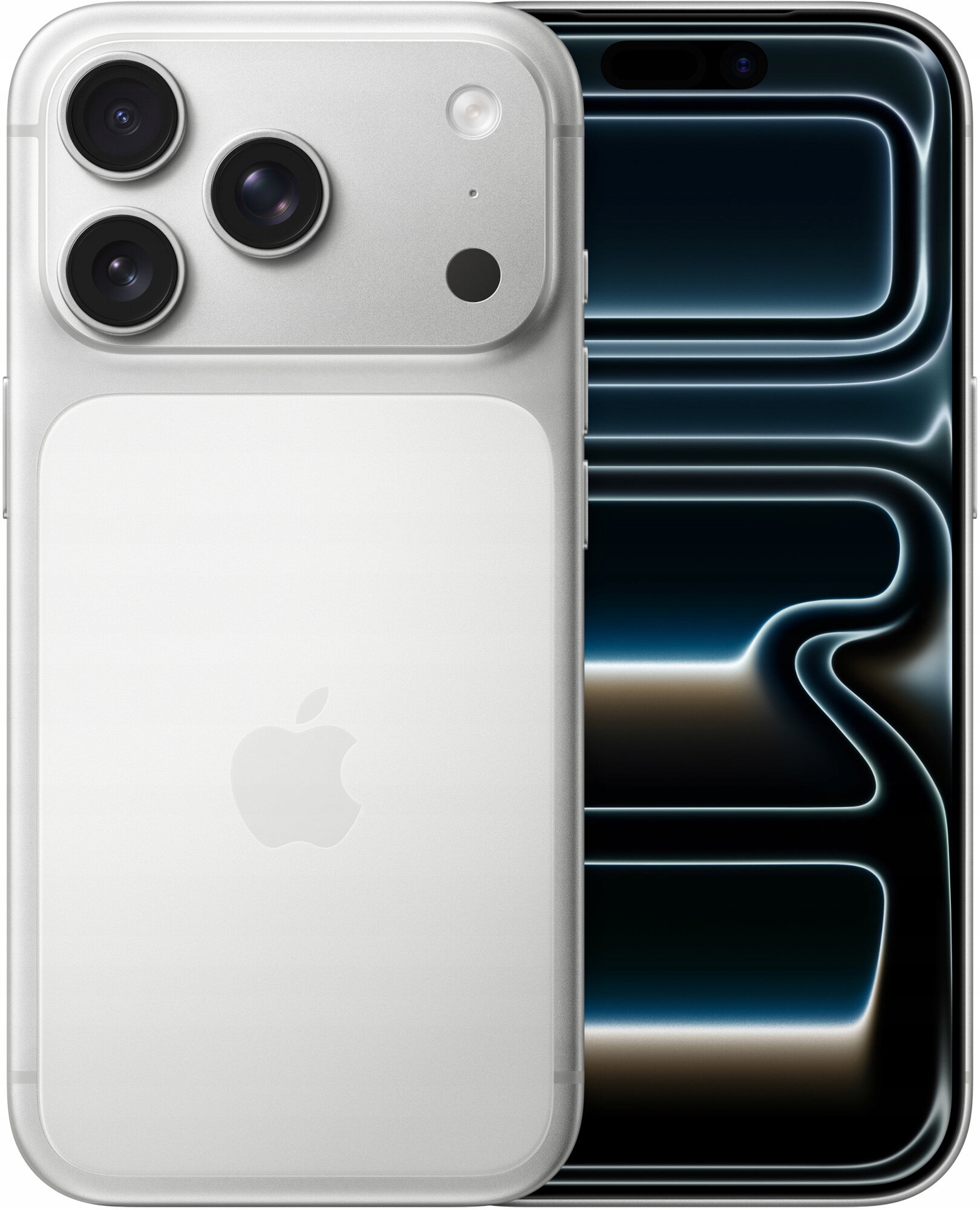
Sensor size is measured in fractions of an inch: the 200 MP Samsung Galaxy S25 Ultra has a 1/1.3-inch sensor, while the 48 MP Apple iPhone 17 Pro uses a 1/1.28-inch one. Despite a quarter of the megapixel count, the iPhone's sensor is physically even slightly larger.
Why fewer pixels can be better
If you cram more pixels onto the same-sized sensor, each one gets smaller — and a smaller pixel gathers less light. A single S25 Ultra pixel is just 0.6 microns; the iPhone 17 Pro's is 1.22 microns, twice as large. That's exactly why phones with "modest" 48 MP cameras often beat 200 MP rivals in low light.
What is pixel binning
Makers solve this by merging neighbouring pixels into one large one. The 200 MP Galaxy S25 Ultra combines 16 pixels and saves a 12.5 MP image where each "super-pixel" reaches 2.4 microns and collects far more light. So an everyday photo from a 200 MP phone is really 12 MP — the full 200 MP is only worth using in bright daylight.
The numbers only impress in ads
The best proof is among flagships: the Samsung Galaxy S25 has a 50 MP camera, the iPhone 17 Pro 48 MP, and the S25 Ultra 200 MP. All three shoot brilliantly, because what counts isn't the number but sensor size, lens quality, optical stabilisation (OIS) and computational processing.
Cheaper phones, meanwhile, often advertise 50 or 108 MP on a tiny sensor — the figure looks impressive, but the pixels are so small that photos get noisy in the dark.
What to look for when buying
- Sensor size (e.g. 1/1.3") — bigger is better, and it matters more than MP.
- Pixel size in microns — 1.0 µm and up (after binning) is good.
- Optical stabilisation (OIS) — essential for sharp photos and video.
- Reviews — DXOMARK and real photo samples, not marketing numbers.
In short, megapixels are just one factor among many. When browsing smartphones, don't chase the biggest number — look at the whole camera package.