How to Choose Wireless Headphones: Form Factors, ANC, and Codecs Explained
Wireless headphones come loaded with acronyms — TWS, ANC, LDAC, aptX. This guide explains what actually matters so you can pick the right pair for how you live and listen.
What Types of Wireless Headphones Are There?
The form factor is the first decision, and it shapes everything else:
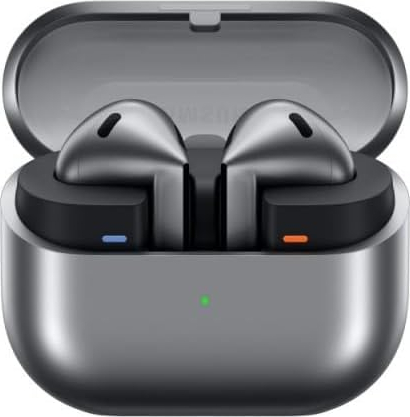
TWS earbuds (True Wireless Stereo) — fully wireless earphones stored in a charging case, with no cable between the two buds. The dominant format in 2026. Battery life: 5–8 hours per bud, up to 30 hours with the case. Best for sport and everyday portability.
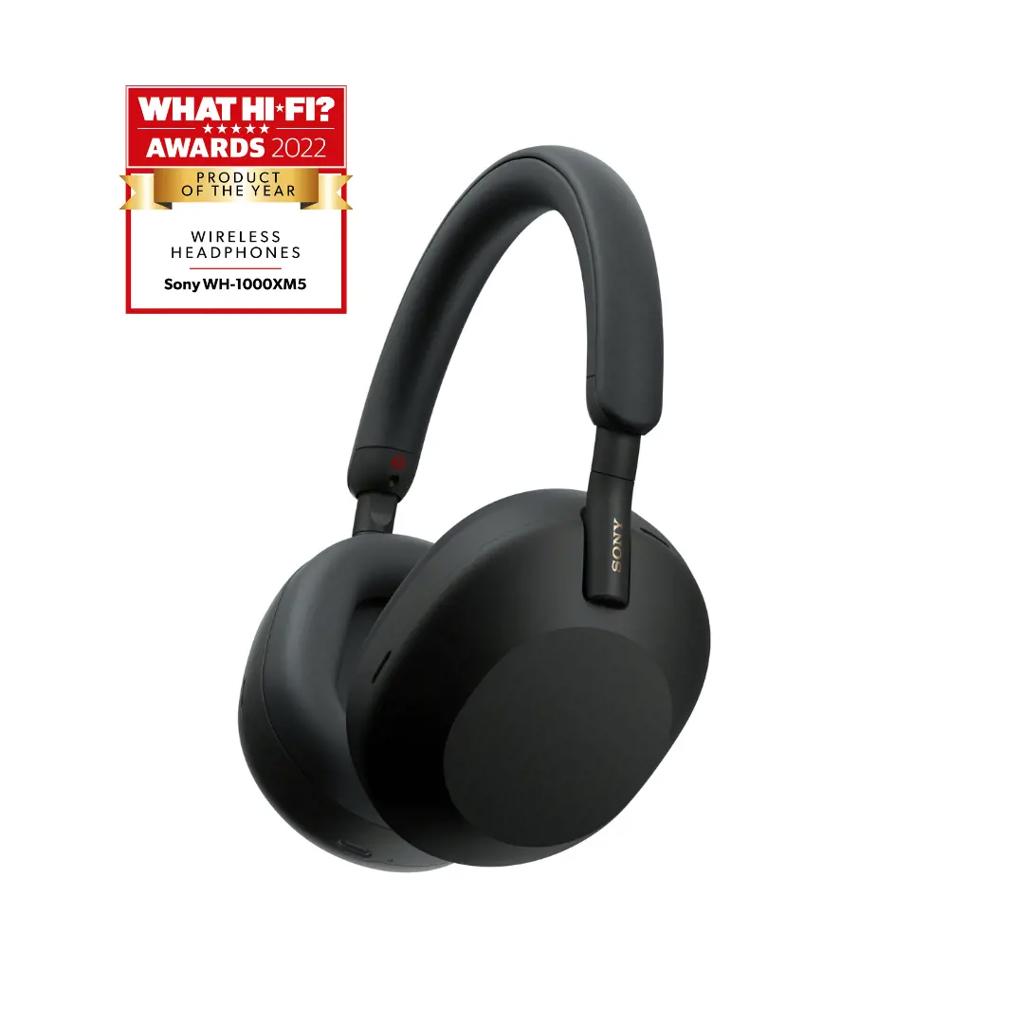
Over-ear headphones — cups that fully surround your ears, delivering the best sound quality and noise cancellation. Bose QuietComfort Ultra and Apple AirPods Max lead this class, with up to 30–40 hours of battery life. Less suited to sport due to size and weight.
Open-ear earphones — clip onto the ear cartilage without blocking the ear canal. Great for outdoor sport or commuting when situational awareness matters. They do not block noise — this format prioritises safety and all-day wearing comfort.
Do You Need Active Noise Cancellation (ANC)?
ANC uses microphones to sample ambient sound and generates an opposing wave that cancels it. Works best against steady low-frequency noise — plane engines, subway rumble, air conditioning. High-frequency noise like nearby conversation is harder to cancel.
Over-ear headphones with ANC outperform TWS earbuds at noise blocking: larger housings accommodate more microphones and provide better passive isolation. Enabling ANC typically cuts battery life by 20–30%.
If you fly frequently, work in a noisy office, or make a lot of calls, ANC is worth the investment. For home listening, passive isolation is usually enough.
Bluetooth Codecs: SBC, AAC, aptX, and LDAC
The codec determines the quality of audio transmitted over Bluetooth:
| Codec | Bitrate | Best for |
|---|---|---|
| SBC | up to 328 kbps | Universal baseline — works everywhere |
| AAC | up to 256 kbps | iPhone users, streaming |
| aptX Adaptive | up to 576 kbps | Android with Qualcomm chip |
| LDAC | up to 990 kbps | Hi-Res audio files |
For everyday streaming on Spotify or Apple Music, the difference between AAC and LDAC is barely perceptible. With lossless Hi-Res files, however, LDAC — as found in Sony WH-1000XM5 — transmits three times more data than AAC, and the gap becomes clearly audible.
Battery Life, Water Resistance, and Other Factors
- TWS earbuds: 5–8 hrs per bud + 24–30 hrs with case
- Over-ear headphones: 24–40 hrs per charge
- IPX4 or higher: essential for workouts or wet weather commutes
- Microphone quality: matters for calls and video meetings
- Companion app: look for EQ control, ANC level adjustment, and ear-tip fit testing
Which Model Should You Buy?
- Travel and office: over-ear with strong ANC — the best choice for long-haul flights
- Sport: TWS earbuds with IPX4+ protection, such as Samsung Galaxy Buds 3
- Apple ecosystem: AirPods integrate most seamlessly with iPhone and Mac
- Audio quality: prioritise LDAC support and Hi-Res Audio certification
- Budget under €100: mid-range TWS with ANC already deliver solid real-world performance
Browse all wireless headphones in our catalogue and filter by price, brand, and specifications.