Screen Brightness (Nits): How Many Do You Need?
Manufacturers boast 3000 or even 4500 nits, but what do these numbers mean and how many do you actually need? Explained simply.
When choosing a phone, manufacturers love to boast impressive numbers: 3000, 3200 or even 4500 nits. But what do they really mean, and is bigger always better?
What is a nit?
A nit (cd/m²) is the unit used to measure how much light a screen sends toward your eyes. One nit is roughly the light of a single candle spread over one square meter. The more nits, the brighter the screen and the easier it is to read in bright surroundings — for example, outdoors on a sunny day.
Typical vs peak brightness — do not confuse them
The most important thing to understand: the "up to 3200 nits" a manufacturer advertises is almost never what you see every day.
- Typical (full-screen) brightness is measured with the whole screen lit white (100% APL). This number is closest to real use — reading text, browsing. On most phones it lands around 500–1000 nits.
- Peak brightness is measured on a small white patch (1–5% of the screen) against black. OLED panels can pour far more power into that spot, so the number looks huge, but the whole screen never reaches it.
- HBM (High Brightness Mode) is an automatic brightness jump under strong sunlight, usually 800–1200 nits. This is what decides whether you can see the screen outdoors.
That is why an advertised 4500 nits (for example on some "OnePlus" phones) and the real full-screen value can differ several times over.
How many nits do you actually need?
- 200–400 nits is enough indoors.
- 400–700 nits is comfortable outdoors in the shade.
- 1000+ nits (of typical brightness) is what you need to see the screen clearly in direct sunlight.
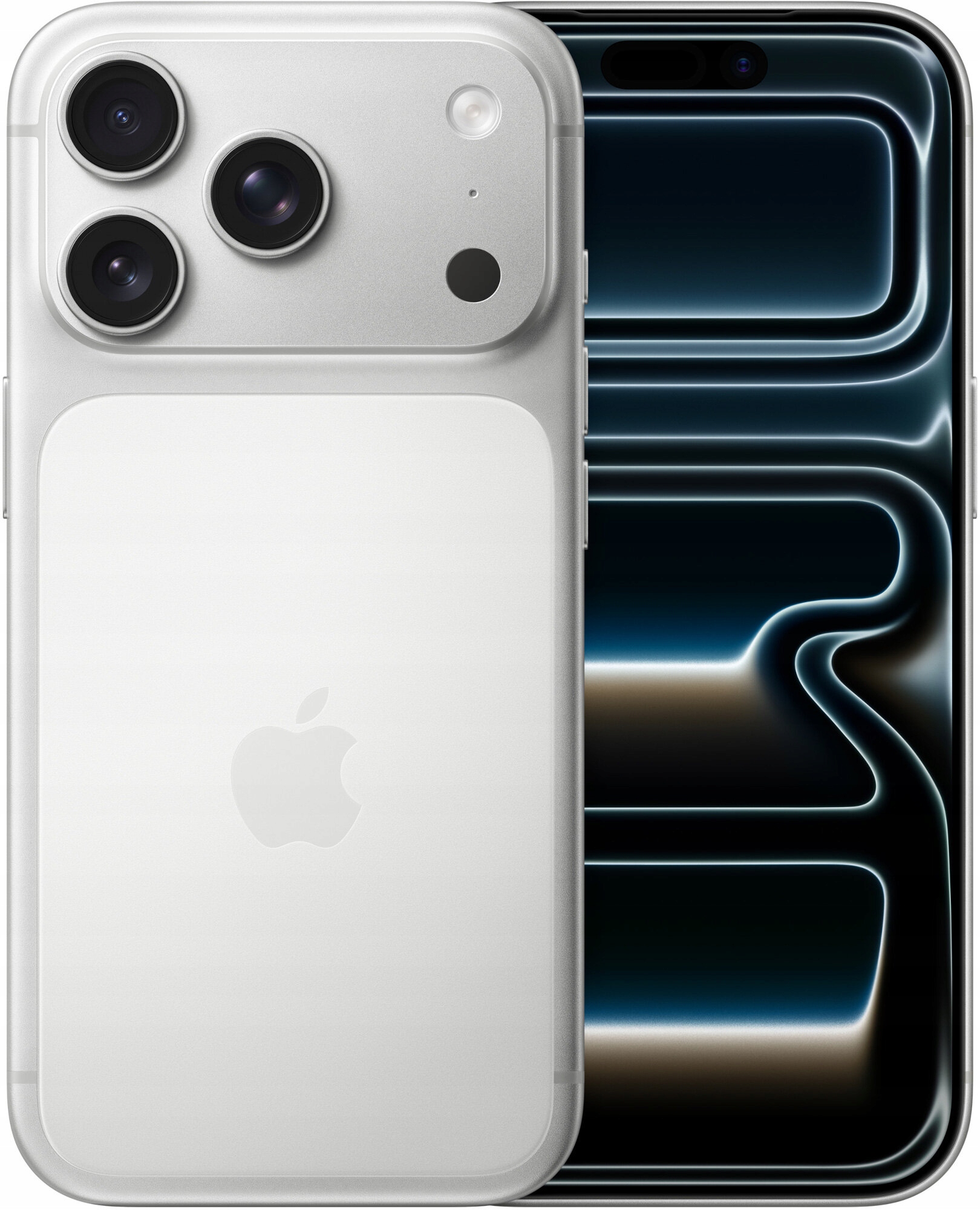
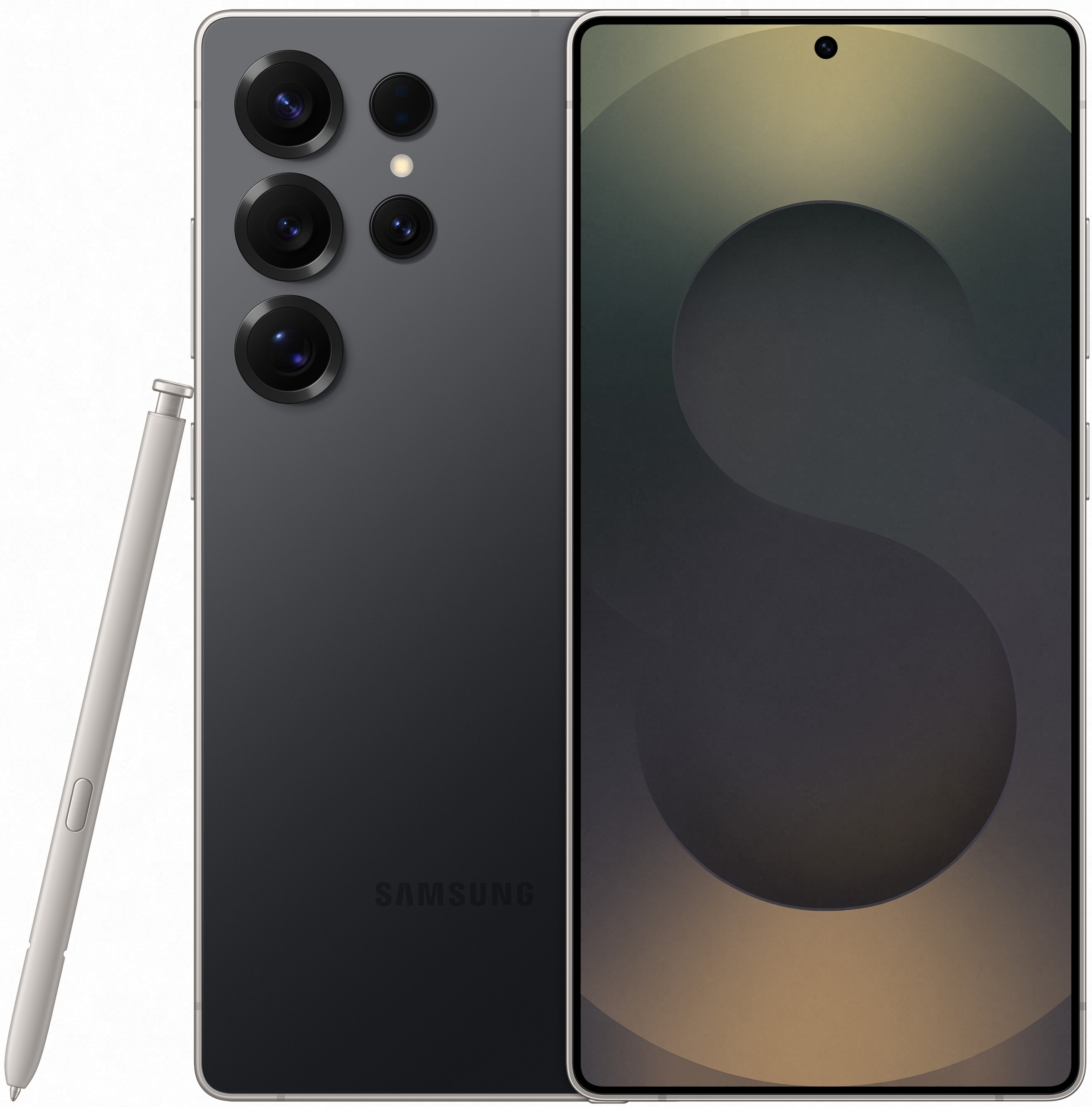
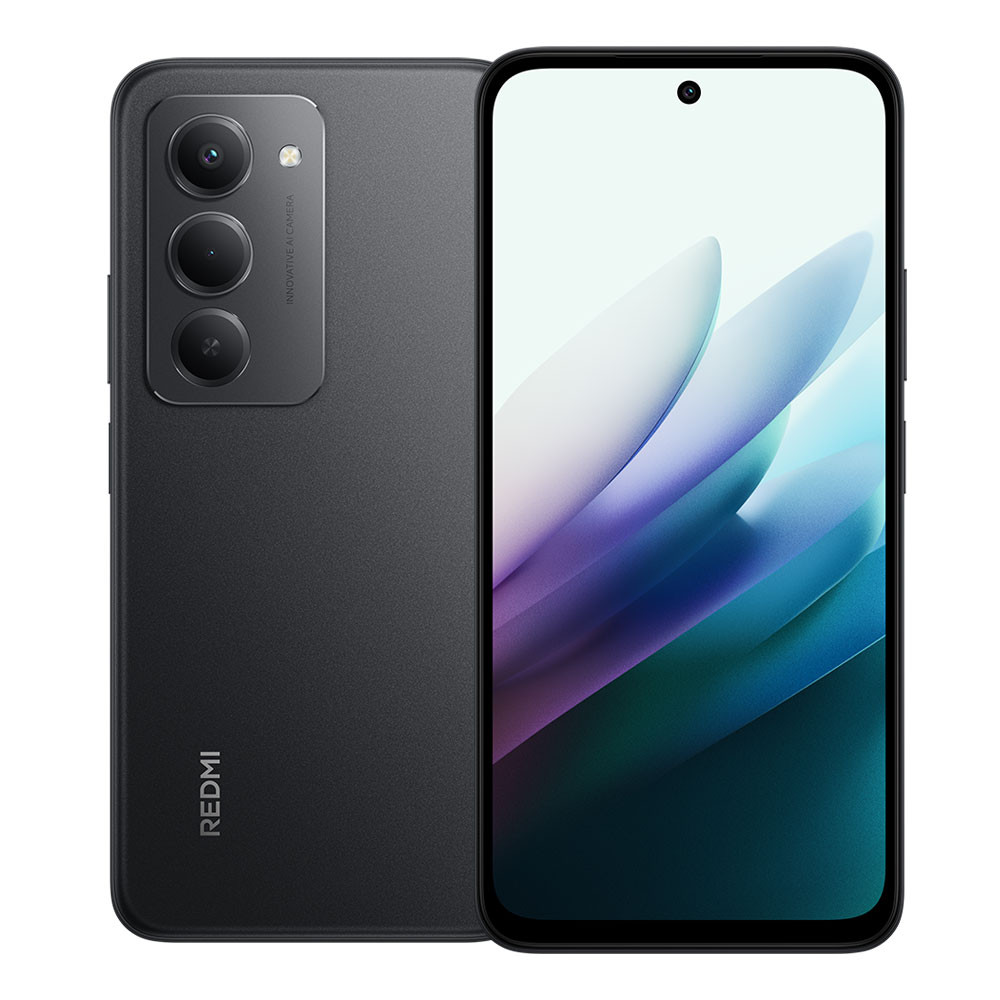
Modern flagships passed these limits long ago. For example, the Apple iPhone 17 Pro claims 3000 nits peak, the Samsung Galaxy S25 Ultra 2600 nits, and the Xiaomi 15 a full 3200 nits (over 25% of the screen). In practice all three are perfectly readable in sunlight, and the day-to-day difference between them is barely noticeable.
What to look for when buying
- Look for typical or HBM brightness, not just the "peak" figure. HBM from 1000 nits up is a good sign.
- On cheaper phones a 4500-nit "peak" can hide a full-screen brightness of only 500–600 nits.
- Brightness matters beyond the outdoors: in HDR video and photos it adds depth and contrast.
- Do not forget minimum brightness either — for reading in the dark the screen should dim to 1–2 nits.
When choosing a phone, brightness is only one piece of the puzzle alongside panel type, refresh rate, and resolution. But if you often use your phone outdoors, this number is worth a closer look. Compare the brightest smartphones and find the best deal.