What Is eSIM and How Does It Work?
More and more phones are dropping the physical SIM card. Here is what an eSIM is, how to activate one, and what to check before you buy.
An eSIM (embedded SIM) is a digital SIM card soldered directly onto your phone's board. There is nothing to insert or remove: the carrier profile is written to the device remotely, usually by scanning a QR code. The physical card is gone, and the freed-up space goes toward a thinner body or a bigger battery.
How to activate an eSIM
You buy a plan and receive a QR code — usually by email or in the carrier's app. Then:
- iPhone: Settings → Cellular → Add eSIM and scan the code.
- Samsung and other Android: Settings → Connections → SIM manager → Add eSIM.
The profile installs in a couple of minutes, with no trip to a store.
Which phones support eSIM
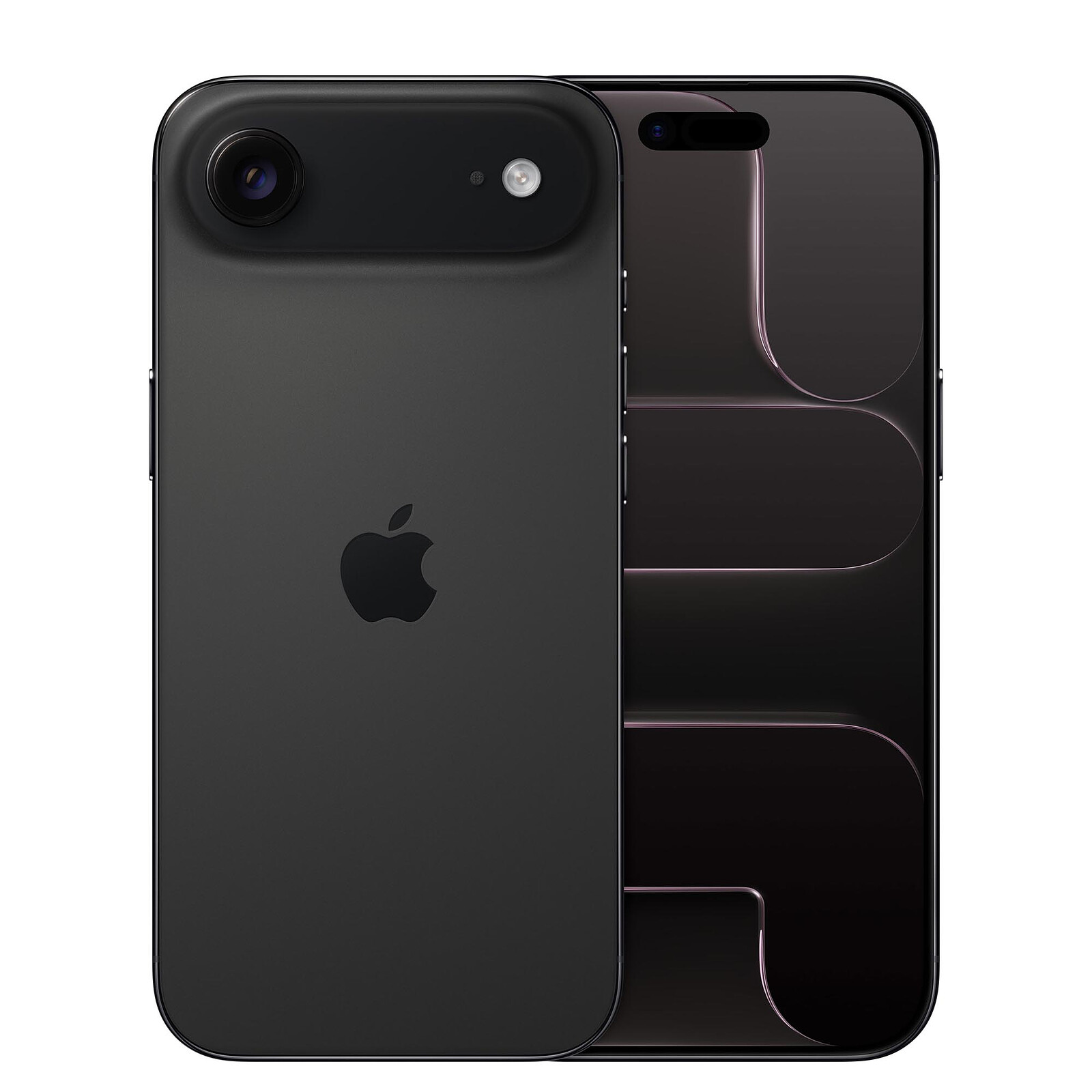
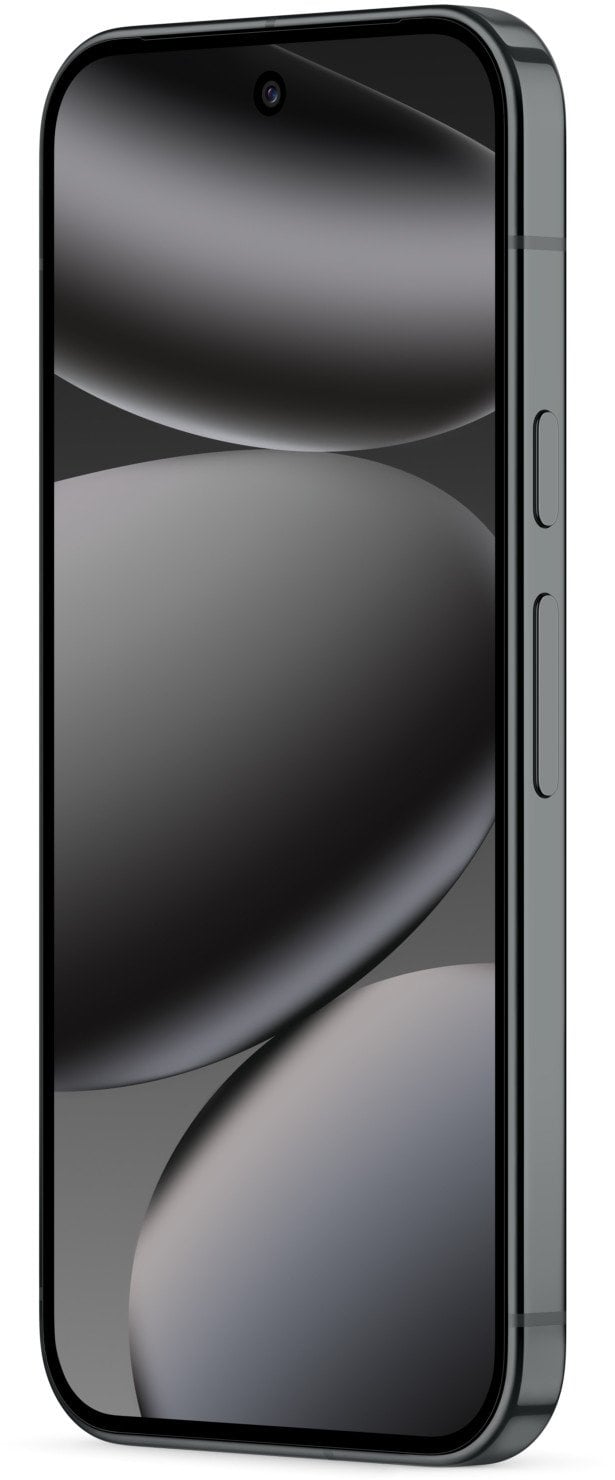
Almost every recent mid-range and flagship phone. Every iPhone from the XS (2018) onward supports eSIM, and the Apple iPhone Air became the first model with no physical SIM slot at all — it runs on eSIM only. Other 2025 iPhone 17 models still keep a regular SIM tray in Europe for now. Samsung Galaxy from the S20 on, Google Pixel, and many Motorola and Xiaomi phones support eSIM too. The cheapest budget models often skip it, so check the spec sheet before buying.
Two numbers on one phone
Many eSIM phones work as Dual SIM: you can use a physical SIM and an eSIM at the same time, or two eSIM lines. Handy if you want a separate work number, or want to add a cheap travel plan without pulling out your main card.
Pros and cons
Pros: it activates instantly, switching carriers is easy, the card cannot be physically removed (useful if the phone is lost or stolen), and abroad you can buy a local eSIM plan online. Cons: moving to a new phone means re-activating the eSIM (a physical card you just swap over), and not every prepaid plan supports it.
eSIM in the Baltics
In Lithuania all three major carriers — Telia, Bitė and Tele2 — offer eSIM, and the same holds in Latvia and Estonia. Travelling within the Baltics, EU roaming rules apply, so your home plan works in neighbouring countries at no extra cost. For trips further afield, a separate travel eSIM is often cheaper than roaming.
eSIM support among smartphones has already become standard. If you like switching carriers quickly or travel a lot, it is worth choosing a model with eSIM — and some, like the iPhone Air, leave you no other option.