What Is HDR on a TV? HDR10, HDR10+ and Dolby Vision Explained
A TV box usually carries more than one HDR logo, and they are not the same thing. Here is what separates HDR10, HDR10+ and Dolby Vision, and what actually matters when you buy.
What is HDR?
HDR (High Dynamic Range) is a technology that widens the range of brightness and colour a TV can show. Compared with a standard SDR picture, HDR content displays brighter highlights, deeper shadows and a wider colour palette. In practice, the sun in a shot actually glows and night scenes do not collapse into one black blob.
One thing to get straight: HDR is not resolution. 4K tells you how many pixels are on the screen; HDR tells you how those pixels look. You get the best result when a TV is both 4K and HDR-capable.
Brightness and nits
When shopping for an HDR TV you will often see a figure in "nits" — the peak brightness the screen can reach. Why it matters:
- Under 400 nits — HDR looks almost identical to a standard picture.
- 400–700 nits — highlights start to stand out noticeably.
- 1000 nits and up — HDR looks genuinely impressive.
But nits are not the whole story. Dynamic range also depends on how deep a black the screen can produce. OLED TVs top out around 700–800 nits, yet their black is truly black (the pixels simply switch off), which is why HDR often looks better on an OLED than on a brighter but lower-contrast screen.
The three formats
HDR10 is the baseline open standard that virtually every HDR TV supports. It uses 10-bit colour and static metadata: one brightness setting is applied across the whole film.
HDR10+ is the same open, royalty-free standard, but with dynamic metadata. Brightness and contrast are tuned scene by scene or even frame by frame. It is Samsung's main format — Samsung is the only major brand that does not support Dolby Vision.
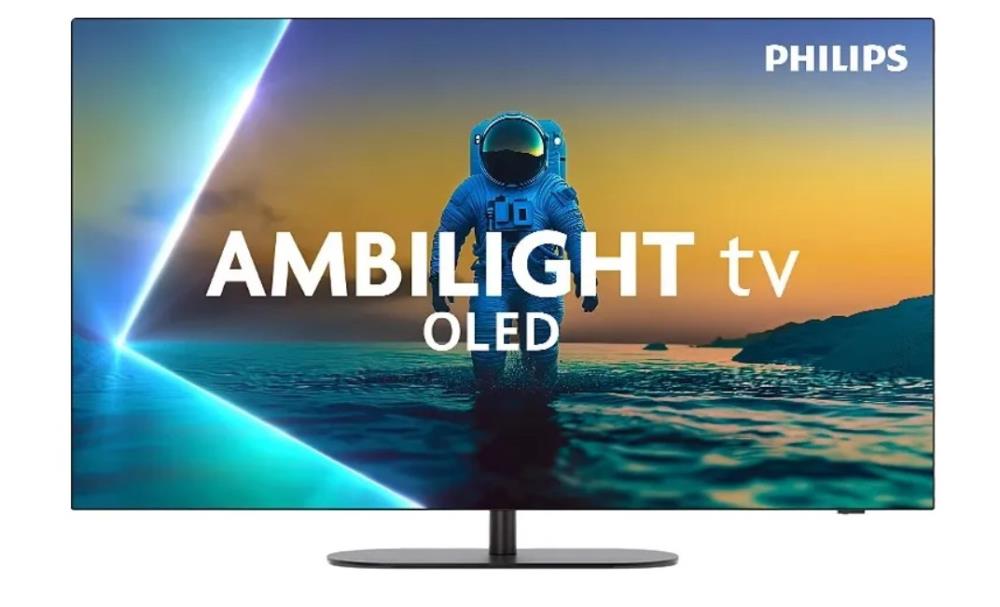
Dolby Vision is the premium licensed format, with up to 12-bit colour and dynamic metadata. It is backed by LG, Sony, TCL, Philips, Xiaomi and most other makers. Netflix, Disney+ and Apple TV+ deliver most of their HDR content in Dolby Vision.
There is also HLG, a format built for live broadcasts (sport, for example), which most newer TVs support automatically.
Which should you pick?
Good news: the gap between formats is smaller than the marketing suggests. Panel quality, brightness and contrast matter more than the logo on the box. Still, it helps to know:
- Make sure the TV supports at least HDR10 — every set does.
- If you watch a lot of Netflix or Disney+, Dolby Vision gives the more consistent result.
- Buying a Samsung? You get HDR10+ but not Dolby Vision — which is fine if the screen itself matters more to you.
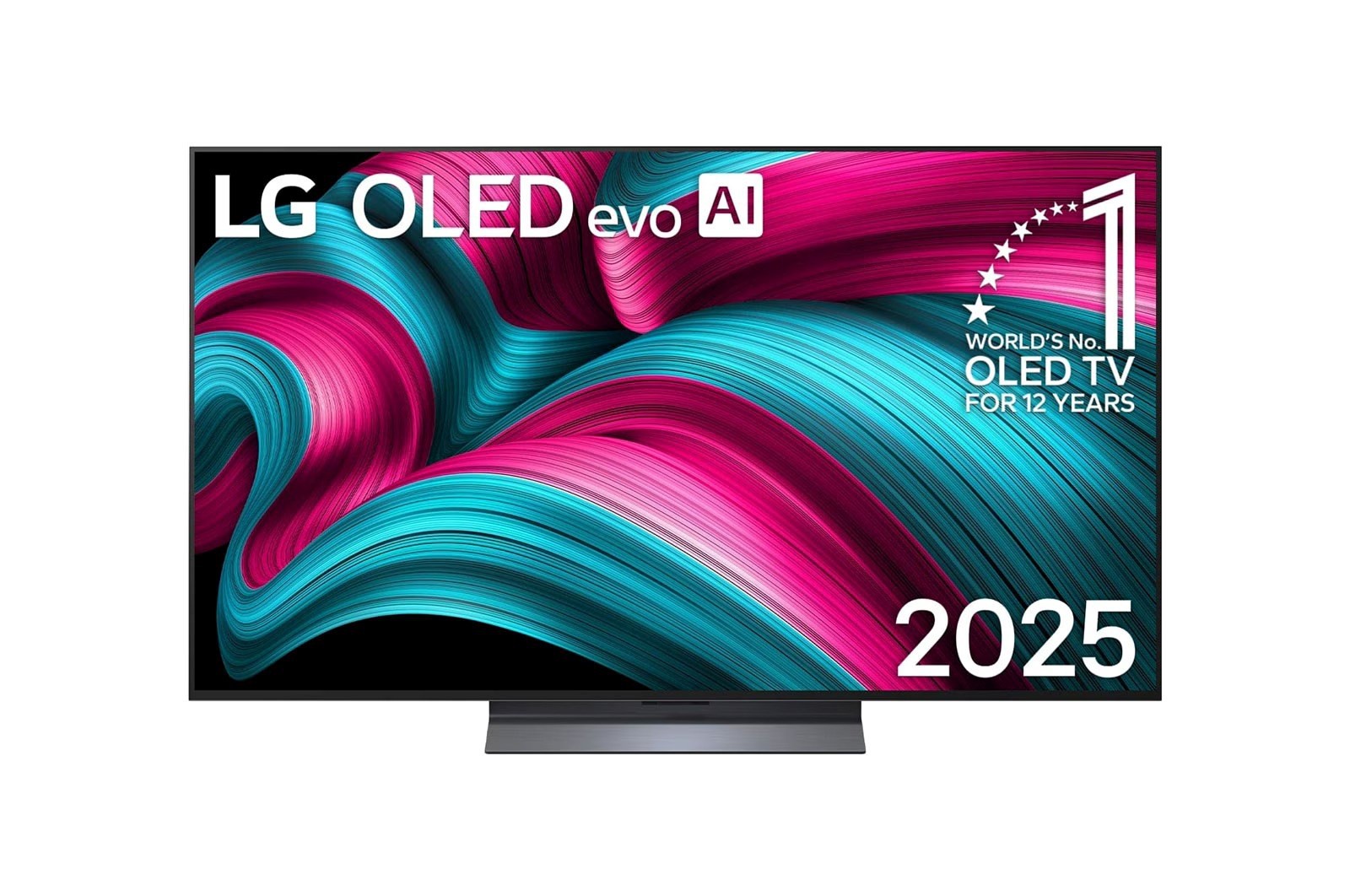
For example, the LG OLED55C51LA supports Dolby Vision and HDR10 — a typical OLED pick with excellent contrast. The Xiaomi QLED TV A Pro 65 2026 adds HDR10+ on top. To compare more models, browse all TVs or specifically the Samsung and LG ranges.